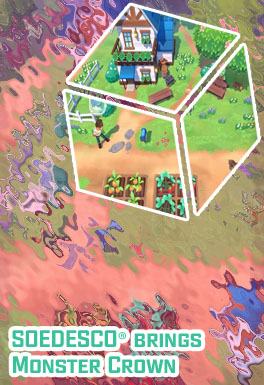
Creating a successful farm game requires a deep understanding of game design, player engagement, and monetization strategies. In order to develop a compelling and profitable farm game, developers need to take into account various factors such as retention, in-game economies, and social interactions. In this list, we have curated three articles that provide valuable insights and tips on how to create a captivating and profitable farm game.
10 Tips for Designing a Successful Farm Game
Creating a successful farm game can be a challenging yet rewarding endeavor for game developers. To ensure that your game stands out in the saturated market, there are several key tips to keep in mind.
Firstly, it is essential to establish a clear and engaging storyline that will capture the players' attention from the start. Incorporating elements of strategy, resource management, and social interaction can help keep players engaged for longer periods.
Secondly, focusing on creating visually appealing graphics and animations can significantly impact the overall user experience. Bright colors, cute characters, and detailed landscapes can all contribute to the game's success.
Additionally, incorporating various gameplay mechanics such as planting crops, raising livestock, and completing quests can add depth and complexity to the game, keeping players coming back for more.
Furthermore, implementing social features such as multiplayer modes, leaderboards, and in-game chat can help foster a sense of community among players, encouraging them to interact and compete with one another.
One practical use case of these tips can be seen in the success of the popular farm game "Hay Day." By following these strategies and continually updating the game with new content and features, the developers were able to attract a large and dedicated player base, leading to high profits and positive reviews.
Monetization Strategies for Farm Games: How to Maximize Revenue
With the increasing popularity of farm games in the gaming industry, developers are constantly looking for ways to maximize revenue through effective monetization strategies. This comprehensive guide explores various techniques that can help developers generate more income from their farm games.
One key strategy highlighted in the article is the implementation of in-game purchases and microtransactions. By offering players the option to purchase virtual goods, upgrades, and special items within the game, developers can create a sustainable revenue stream. It is essential to strike a balance between offering valuable items for purchase and ensuring that the game remains enjoyable for all players.
Another effective monetization strategy discussed in the article is the use of advertisements. By incorporating non-intrusive ad placements throughout the game, developers can earn additional revenue from advertisers while providing free access to the game for players. It is crucial to carefully design ad placements to ensure that they do not disrupt the gameplay experience.
Practical use case: A farm game developer implemented a combination of in-game purchases and rewarded ads in their game. As a result, they saw a significant increase in revenue, allowing them to invest in further development of the game and improve player engagement. Players appreciated the option to earn rewards through ads and were more willing to make purchases within the game. This successful strategy not only boosted revenue but also
The Importance of Social Features in Farm Games: Building Community and Engagement
In the world of online farm games, social features play a crucial role in fostering a sense of community and engagement among players. These features allow players to interact with one another, collaborate on tasks, and compete in friendly competitions. By building these social connections, players are more likely to remain actively engaged in the game over the long term.
One of the key benefits of social features in farm games is the ability to exchange resources with other players. This not only helps players progress more quickly in the game, but also creates a sense of camaraderie as players work together to achieve common goals. Additionally, social features such as in-game chat functions and virtual gifting allow players to communicate and bond with one another, further enhancing the sense of community within the game.
Feedback from players in cities around the world often highlights the importance of social features in their gaming experience. For example, Sofia Popova from Moscow, Russia, emphasizes how interacting with other players in her favorite farm game has enriched her gaming experience and kept her coming back for more. She notes that the sense of community and camaraderie fostered by these social features is what sets her favorite game apart from others on the market.















Recent Comments